Black Tetra (Gymnocorymbus ternetzi)
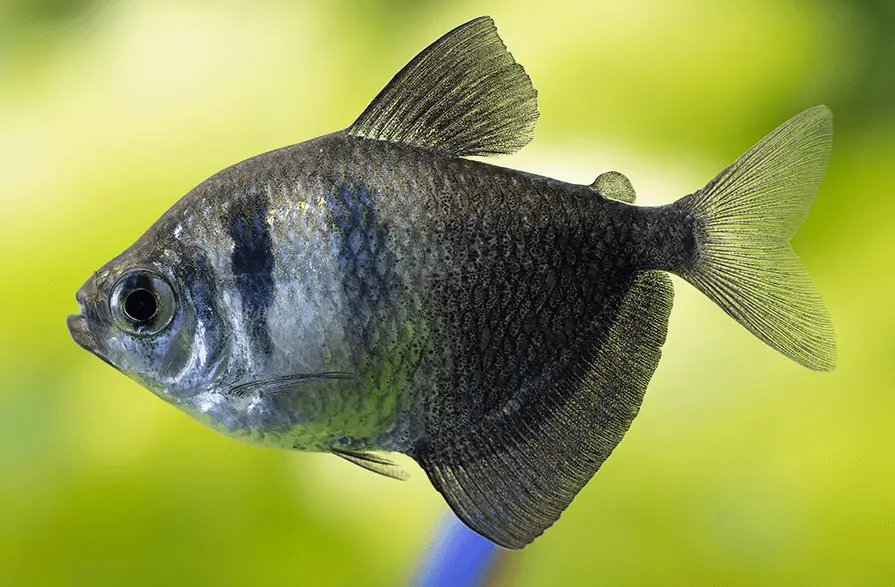
The black tetra (Gymnocorymbus ternetzi), also known as the black skirt tetra, are incredibly interesting freshwater aquarium fish, beloved for their peaceful schooling behavior and striking black and silver coloration. These are a great fish for beginners, as black tetra care is known to be easy due to their hardy and adaptable nature. It’s important to only introduce black tetras into an aquarium that is well established and cycled to ensure their health and activity levels.
Black tetras are also sometimes referred to as skirt tetras due to their flowing anal fins. They’re omnivores and feed on a variety of small insects, plants, and detritus in the wild, but in a tank environment, you’ll want to provide a balanced diet to keep them vibrant and healthy.
They are native to the Paraguay River basin and other rivers in South America, including areas in Brazil, Paraguay, and Bolivia. In the wild, black tetras can be found in slow-moving waters with dense vegetation, and it serves them well to be provided a similar environment in an aquarium setting. In general, I’d recommend a moderately planted tank with plenty of open swimming space and some hiding spots like driftwood or caves.
Black Tetra Species Overview
Adult Size: 3 inches
Lifespan: 3-5 years
Diet: Omnivore
Care Level: Easy
Minimum Tank Size: 20 gallons
Temperature: 70-85°F (21-29°C)
pH: 6.0-7.5
Origin: South America
Differences Between Black Tetras and Other Tetras
Black tetras (Gymnocorymbus ternetzi) stand out among tetra species for their unique silver-to-black coloration with two vertical black bars and skirt-like anal fins, but they differ significantly from other popular tetras like neon tetras (Paracheirodon innesi), serpae tetras (Hyphessobrycon eques), and ember tetras (Hyphessobrycon amandae). Compared to neon tetras, known for their vibrant blue and red stripes, black tetras are larger (up to 3 inches vs. 1.5 inches) and hardier, tolerating a wider range of water conditions (pH 6.0-7.5, 70-85°F) while neons require more precise care (pH 5.5-6.8, 70-78°F). Black tetras may occasionally nip fins if not kept in groups of 6 or more, unlike the consistently peaceful neons. Serpae tetras, with their reddish-orange bodies and black tail patch, are similar in size (2.5-3 inches) but more aggressive and prone to nipping, requiring careful tankmate selection, whereas black tetras are generally easier to manage in community setups.
Ember tetras, tiny at 0.8-1 inch with a fiery orange-red hue, contrast sharply with the larger, less vibrant black tetras. Embers are exceptionally peaceful, ideal for nano tanks (10 gallons minimum), and rarely nip, while black tetras need more space (20 gallons minimum) for active schooling and may nip if stressed. Both species are omnivorous and thrive in similar water parameters (pH 6.0-7.5, 70-84°F), but embers are slightly more delicate, preferring dense plant cover for security, while black tetras favor a mix of open swimming areas and plants. Black tetras’ hardiness and versatility make them beginner-friendly, balancing ease of care with dynamic schooling behavior compared to the more delicate neon and ember tetras or the feistier serpae tetras.
Black Tetra Care
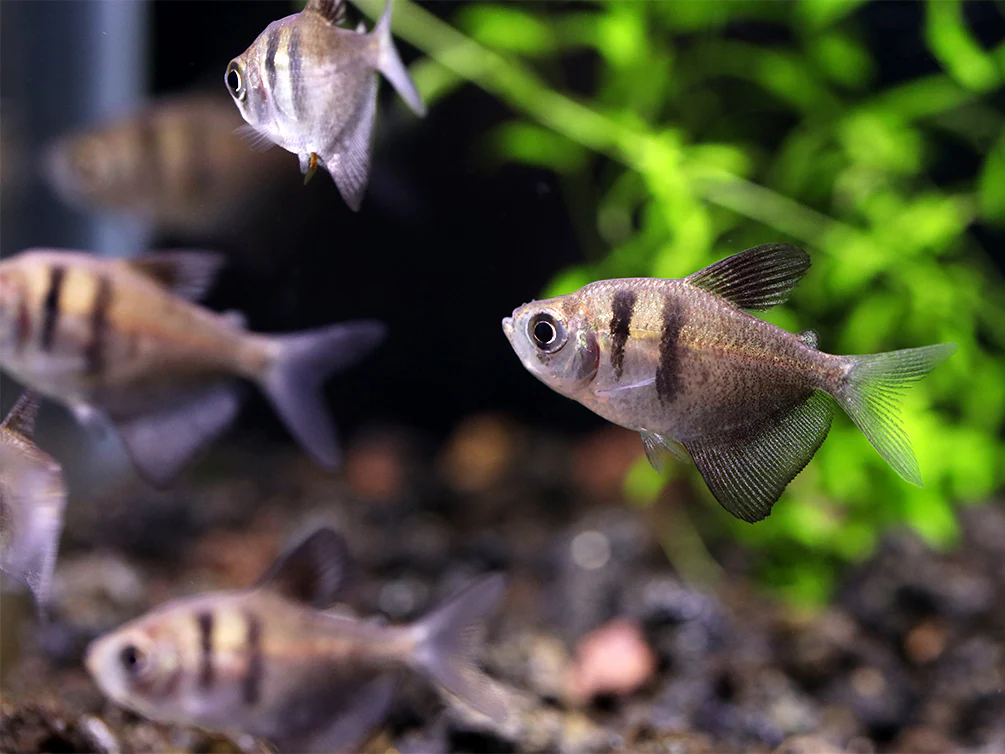
Black tetra care requirements are straightforward, making them ideal for novice aquarists, but you’ll want to ensure that you provide them with the proper environment in which they will thrive. They’re social schooling fish and do best in groups of at least 5-6, the larger the school the better to reduce stress and encourage natural behavior. However, it’s important not to overstock your black tetra tank, as they need ample swimming space to stay active.
In general, you’ll find black tetras swimming in the middle levels of the aquarium, often schooling together and exploring plants or decorations. They’re usually active and curious, and a healthy group will display synchronized swimming patterns.
Feeding
Black tetra are omnivores, feeding on small insects, plants, and detritus in the wild. In an aquarium, it’s essential to provide them with a balanced diet to ensure their health and well-being. A high-quality flake or pellet food should form the base of their diet, supplemented with live or frozen foods such as bloodworms, brine shrimp, or daphnia for variety and to mimic natural foraging.
Occasionally, they may be fed vegetable matter like blanched spinach or spirulina wafers to support their omnivorous needs. Be sure to monitor their feedings closely as black tetras can be enthusiastic eaters, but overfeeding can lead to water quality issues and health problems like obesity.
Water Conditions
Black tetras thrive in freshwater aquariums with water conditions that mimic their natural habitat. You’ll want to have a quality filter system, as they prefer well-oxygenated, moderately flowing waters. Black tetra care is relatively easy, but maintaining stable water parameters is key to preventing stress.
They prefer slightly acidic to neutral water, with a pH range of around 6.0-7.5, however sudden fluctuations in pH should be avoided. Additionally, they do best in soft to moderately hard water, with a hardness level (dGH) between 4-8.
They are hardy but sensitive to high levels of ammonia or nitrates, so regular water changes are essential. Additionally, black tetras are tolerant of a wide temperature range, but aim for consistency to avoid stress when adding them to a new environment.
Black Tetra Breeding
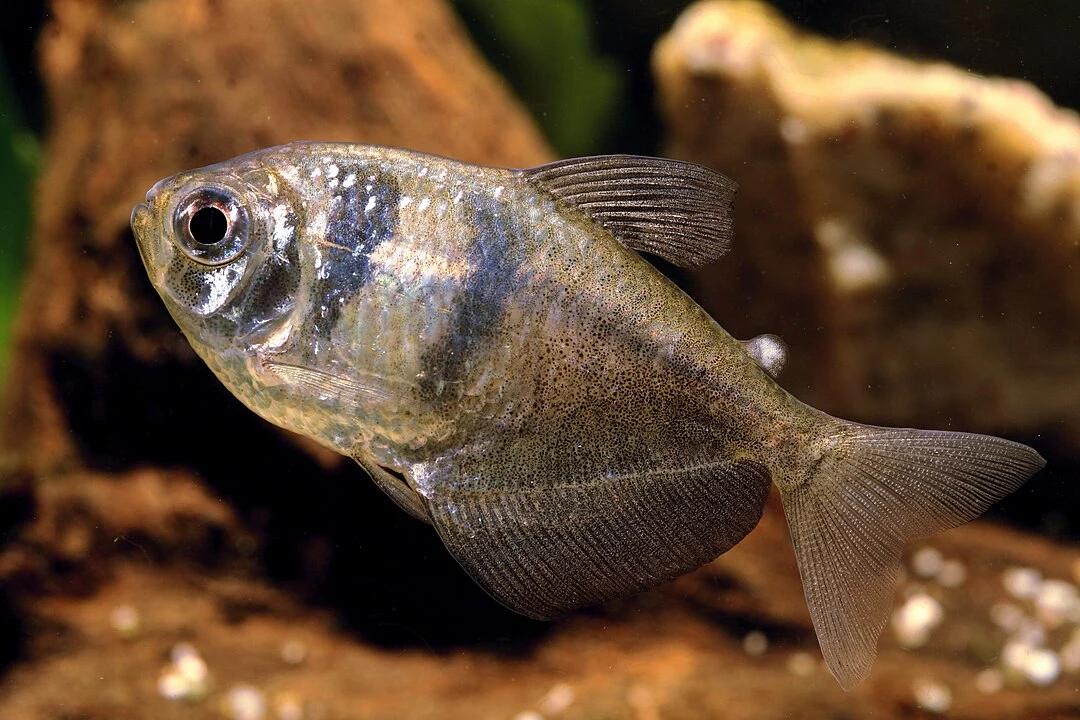
Breeding black tetras in captivity is achievable with some effort, and successful breeding often requires specific conditions and careful attention to detail. First of all, determining the sex of black tetras is possible; mature females are usually larger and plumper than males, especially when viewed from above, while males have a more slender shape.
To encourage breeding, provide a separate breeding tank (around 10 gallons) with plenty of plants or spawning mops for egg scattering. Ensure that water quality is excellent, with stable parameters, and condition the pair with high-protein foods like live brine shrimp. When conditions are right, the male will chase the female, leading to egg scattering among the plants.
Hatching and Fry Care
After spawning, it’s crucial to remove the adults to prevent them from eating the eggs. The eggs are adhesive and will stick to surfaces like plant leaves. Keep the breeding tank dimly lit, as the eggs are light-sensitive. It’s also essential to maintain excellent water quality and provide gentle aeration to ensure oxygenation.
The eggs will hatch in about 24-36 hours, and the fry will consume their yolk sacs before becoming free-swimming. Offer them small, live foods such as infusoria or finely powdered commercial fry food. Fry are delicate and require pristine water conditions. Regular water changes and careful feeding are essential for their growth and development.
Common Black Tetra Diseases and Health Issues
Black tetras are relatively hardy fish, but they can experience certain health issues in an aquarium environment. Monitor their activity and appearance closely, as stress from poor water quality can lead to problems.
Some common black tetra health issues to look out for include Ich (white spot disease), fin rot, and bacterial infections. Stress can weaken their immune systems, making them more susceptible to diseases. Factors such as poor water quality, aggressive tankmates, or improper diet are typical causes of stress. Quarantining new fish and maintaining good hygiene can help prevent outbreaks, while proper water parameters will reduce the chance of infections.
Black tetras can be treated with over-the-counter medications like those for Ich (copper-based), but it’s important to use them judiciously and follow instructions, as they can be sensitive to treatments.
Black Tetra Tank Setup
As mentioned above, black tetras will thrive in an aquarium that is moderately planted and gives them plenty of open space to swim. The best aquarium setup for black tetras mimics their natural habitat. Many aquarists choose to use a dark substrate, integrate driftwood, and add leaf litter like catappa leaves to leach tannins and create a natural feel.
I’d recommend at least a 20-gallon aquarium for a small group of black tetras, however a 30-gallon or larger is better especially if you’re looking to have a community tank. It’s important to reiterate, for best results keeping black tetras they should be added to a well-established aquarium that is fully cycled.
Compatibility with Planted Tanks
Black tetras are highly compatible with planted tanks and actually benefit from them. They enjoy swimming through tall plants like Amazon swords or Vallisneria, which provide hiding spots and enrichment. Unlike some fish, they don’t typically damage or uproot plants, making them excellent for aquascapes. Planted tanks also help maintain water quality, which supports their health.
Tankmates
Black tetras are peaceful and do well with other small, non-aggressive fish that share similar water parameter requirements. When selecting tankmates for black tetras, it’s best to choose fish that come from similar natural habitats in South America. Here are some good tankmates that coexist with black tetras:
- Corydoras catfish, including panda corydoras and bronze corydoras
- Other tetras, like neon tetras (in large schools to prevent nipping)
- Rasboras, including harlequin rasboras
- Livebearers, including guppies and mollies (avoid long-finned varieties)
Be sure not to overstock your aquarium. My recommendation would be to check out an aquarium stocking calculator such as aqadvisor.com to help gauge the stocking level of your tank.
Look to avoid keeping black tetras with large or aggressive fish that may intimidate or harm them, or with long-finned fish like bettas due to potential nipping. Additionally, always monitor the behavior of tankmates to ensure they are compatible and not causing stress to the tetras.
Black Tetra Care Summary
Black tetras are fascinating and beneficial additions to a freshwater aquarium, known for their active schooling and easy-going nature. While black tetra care requires some basic considerations, such as a spacious tank with stable water conditions and a balanced diet, they can thrive in the right environment. By providing them with the proper care, water conditions, and tank setup, you can enjoy the company of these charming fish and keep them healthy for years to come.