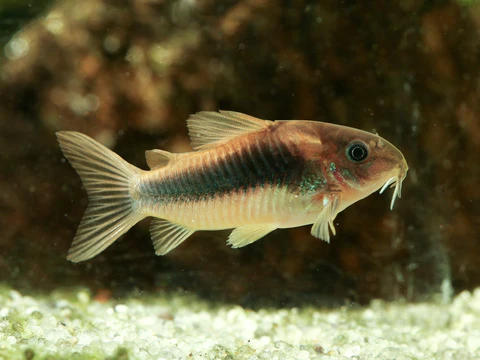
Bronze Corydoras (Corydoras aeneus)
The bronze corydoras are incredibly interesting freshwater aquarium fish, beloved for their bottom-dwelling scavenging capabilities and peaceful schooling behavior. These are a great fish for beginners, as bronze corydoras care is known to be easy due to their hardy nature. It’s important to introduce bronze corydoras into an aquarium that is well established and has a decent buildup of detritus and food remnants for them to forage on.
Bronze corydoras are also sometimes referred to as bronze corys or green cory catfish (due to color variations). They’re omnivores and feed primarily on small invertebrates, worms, and plant matter in the wild, however in a tank environment you’ll want to feed them sinking foods to ensure they’re getting proper nutrition.
They are native to South American rivers and streams, including areas in Venezuela, Trinidad, Colombia, Brazil, and Argentina. In the wild, bronze corydoras can be found in shallow, slow-moving or fast-flowing waters with sandy or muddy bottoms, and it serves them well to be provided a similar environment in an aquarium setting. In general, I’d recommend a tank with fine sand substrate, plenty of hiding spots, and some driftwood or plants.
Bronze Corydoras Species Overview
Adult Size: 2.5-3 inches
Lifespan: 5-10 years
Diet: Omnivore/Bottom Feeder
Care Level: Easy-Moderate
Minimum Tank Size: 20 gallons
Temperature: 72-79°F (22-26°C)
pH: 6.0-8.0
Origin: South America
Differences Between Bronze Corydoras and Other Corydoras Species
While all corydoras species share similar bottom-dwelling and schooling behaviors, there are notable differences between bronze corydoras (Corydoras aeneus) and popular varieties like panda corydoras (Corydoras panda) or pygmy corydoras (Corydoras pygmaeus). Bronze corydoras are larger, reaching up to 3 inches, with a metallic bronze or green sheen, making them more robust and hardy, which is ideal for beginners. They tolerate a wider range of water parameters, including slightly higher temperatures and pH levels, and are less prone to stress or disease compared to more delicate species.
In contrast, panda corydoras are smaller (around 2 inches) with striking black-and-white panda-like markings. They prefer cooler water (68-77°F) and are more sensitive to water quality fluctuations, requiring a more stable environment and often proving trickier for novice aquarists. Pygmy corydoras are even tinier (about 1 inch), featuring a silver body with a black stripe, and they tend to swim in the mid-water column rather than strictly on the bottom. They need larger schools (10+) and densely planted tanks to thrive, and like pandas, they can be more fragile than the hardy bronze variety. Choosing bronze corydoras offers a forgiving entry into keeping corys, while pandas and pygmies appeal to those seeking unique aesthetics but demand more precise care.
Bronze Corydoras Care
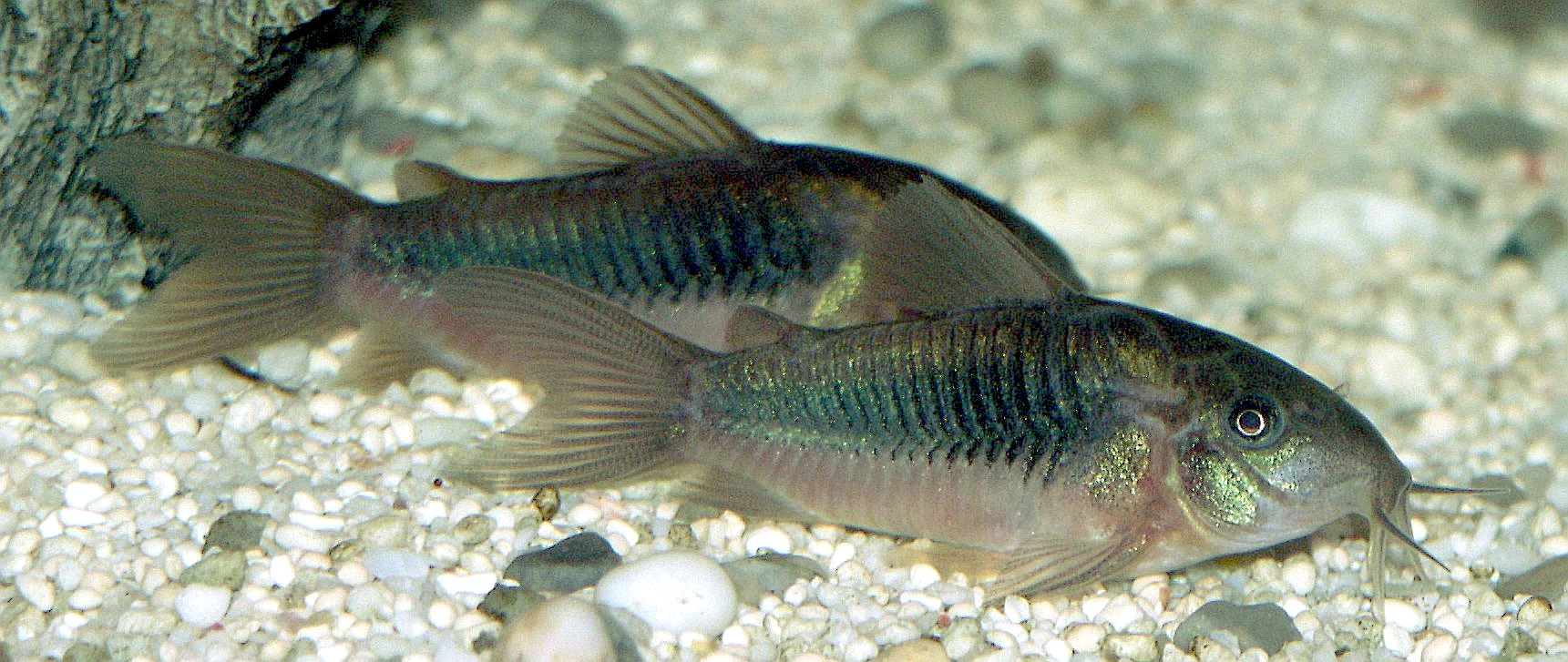
Bronze corydoras care requirements are not overly demanding, however you’ll want to ensure that you provide them with the proper environment in which they will thrive. They’re social and do best in groups of at least six, the larger the better. However, it’s important not to overstock your bronze corydoras tank, as they might suffer from competition for food on the bottom.
In general, you’ll find bronze corys rooting around the substrate, sifting through sand or gravel for food particles. They’re usually foraging for detritus, microfauna, and leftover food, and a healthy, active demeanor is a good sign that they’re well-fed and content.
Feeding
Bronze corydoras catfish are omnivores, feeding on small crustaceans, worms, insects, and plant matter in the wild. In an aquarium, it’s essential to provide them with a balanced diet to ensure their health and well-being. For obvious reasons, a well-established aquarium with plenty of organic matter will promote their longevity and lead to a more balanced diet.
They should be fed sinking pellets or wafers designed for bottom feeders, supplemented with live or frozen foods like bloodworms, brine shrimp, daphnia, or blackworms. Occasionally, they may enjoy blanched vegetables such as zucchini or cucumber. Be sure to monitor their feedings closely as bronze corydoras can be overfed easily, leading to issues such as bloating. Feed small amounts that they can consume in a few minutes.
Water Conditions
Bronze corydoras thrive in freshwater aquariums with water conditions that mimic their natural habitat. You’ll want to have a quality filter system, as they come from well-oxygenated rivers and streams. Bronze corydoras care can be straightforward, but maintaining stable water parameters is key to keeping these fish healthy.
They prefer slightly acidic to neutral water, with a pH range of around 6.0-8.0, however sudden fluctuations in pH should be avoided. Additionally, they do best in soft to moderately hard water, with a hardness level (GH) between 5-19 dGH.
They are sensitive to high levels of ammonia, nitrites, or nitrates, so regular water changes (20-30% weekly) are crucial. Bronze corydoras can tolerate a range of conditions but are hardy overall; still, acclimate them slowly to any new environment to prevent stress.
Bronze Corydoras Breeding
Breeding bronze corydoras catfish in captivity is relatively easy compared to other species, and successful breeding often requires specific conditions and careful attention to detail. First of all, determining the sex of bronze corydoras can be done by size, as mature females are usually larger and rounder than males, especially when viewed from above.
To encourage breeding, provide a well-established aquarium with plenty of hiding spots, plants, and flat surfaces like broad leaves or slate. Ensure that water quality is excellent, with stable parameters. When conditions are right, males will chase females in a courtship dance, leading to spawning. The female will lay adhesive eggs on surfaces such as plant leaves, glass, or decorations.
Hatching and Fry Care
After spawning, it’s critically important to provide proper care for the eggs. The eggs should be protected from light and fungal growth; consider adding methylene blue if needed. It’s also essential to maintain excellent water quality and provide gentle aeration to ensure oxygenation.
The eggs will hatch in about 4-5 days, and the fry will consume their yolk sacs before becoming free-swimming. Offer them small, live foods such as infusoria, microworms, or finely powdered commercial fry food. Fry are delicate and require pristine water conditions. Regular water changes and careful feeding are essential for their growth and development–gradually introduce baby brine shrimp as they grow.
Common Bronze Corydoras Diseases and Health Issues
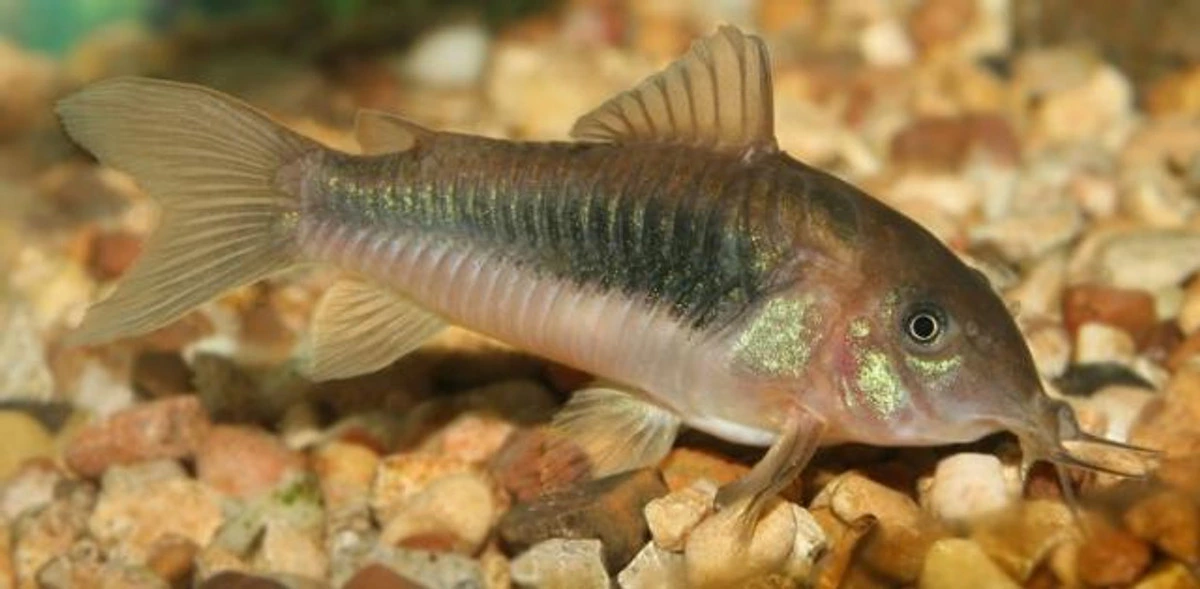
Bronze corydoras are relatively hardy fish, but they can experience certain health issues in an aquarium environment. Monitor their feeding closely, as overfeeding and underfeeding can be a root cause of other health problems.
Some additional bronze corydoras health issues to look out for include high stress levels, parasites (like ich), and bacterial or fungal infections (such as fin rot). Stress can weaken their immune systems, making them more susceptible to diseases. Factors such as poor water quality, aggressive tankmates, or improper diet are the typical causes of bronze corydoras stress. Quarantining new fish and maintaining good hygiene can help prevent parasite outbreaks, while keeping proper water parameters and avoiding sharp substrates (to prevent barbel damage) will reduce the chance of infections.
Bronze corydoras can be treated with appropriate medications, but it’s important to use them judiciously and under the guidance of a veterinarian or experienced fish keeper. They are sensitive to salt and some chemicals, so research treatments carefully.
Bronze Corydoras Tank Setup
As mentioned above, bronze corydoras will thrive in an aquarium with fine sand substrate (to protect their barbels while foraging) and plenty of places to hide. The best aquarium setup for bronze corydoras mimics their natural habitat. Many aquarists choose to use subdued lighting, integrate driftwood, and add catappa or almond leaves to their bronze corydoras aquascape. This will help leach tannins into the water and create a natural, darkened environment similar to their wild rivers.
I’d recommend at least a 20-gallon aquarium for a small group of bronze corydoras, however a 30-gallon or larger is better especially if you’re looking to have a community tank. It’s important to reiterate, for best results keeping bronze corydoras they should only be added to a well-established aquarium that is fully cycled and has been running for a few months.
Tankmates
Bronze corydoras catfish are peaceful and do well with other small, non-aggressive fish that share similar water parameter requirements. When selecting tankmates for bronze corys, it’s best to choose fish that come from similar natural habitats in South America. Here are some good tankmates that coexist with bronze corydoras in the wild:
- Other corydoras species, including panda corydoras (though monitor for compatibility)
- Neon tetras
- Rasboras, including harlequin rasboras
- Livebearers, including swordtails and platies
Be sure not to overstock your aquarium. My recommendation would be to check out an aquarium stocking calculator such as aqadvisor.com to help gauge the stocking level of your tank.
Look to avoid keeping bronze corydoras with large or aggressive fish that may intimidate or harm them, such as oscars or cichlids. Additionally, always monitor the behavior of tankmates to ensure they are compatible and not causing stress to the corys.
Bronze Corydoras Care Summary
Bronze corydoras catfish are fascinating and beneficial additions to a freshwater aquarium, known for their scavenging capabilities and peaceful nature. While bronze corydoras care requires some special considerations, such as a sandy substrate with plenty of hiding spots and a varied diet, they can thrive in the right environment. By providing them with the proper care, water conditions, and tank setup, you can enjoy the company of these charming fish and keep them healthy for years to come.